










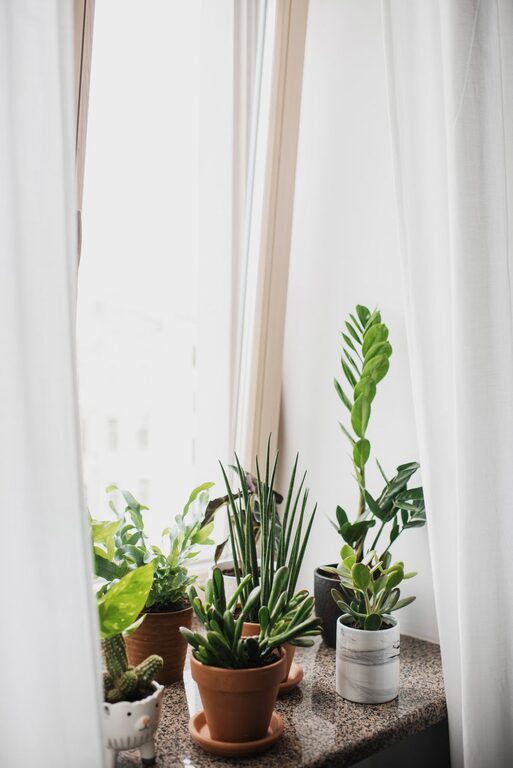
Plants are one of the easiest ways to refresh your home. They add color, texture, and natural character without requiring a major renovation. Whether you live in a small apartment or a spacious house, a few well-chosen plants can make rooms feel more welcoming and complete.
The key is to match each plant with the conditions in your home. Light levels, available space, watering habits, and the style of your room all play a part. With a little planning, you can create a home that feels fresh, comfortable, and connected to nature.
Start With Your Space
Before buying plants, take a quick look around your home. Notice where natural light enters, which areas feel empty, and where plants would be easy to care for.
Check the Light
Most plants are labeled for bright, medium, or low light. Observe your rooms during the day and consider how much sunlight each area receives.
– Bright light: Near a sunny window, especially one that receives several hours of daylight.
– Medium light: A well-lit area away from direct sun or a room with filtered light.
– Low light: A space with limited natural light, such as a hallway or a room with a shaded window.
Light can change with the seasons, so avoid placing a plant in a location that works only during one part of the year. Sheer curtains can soften strong sunlight, while plant stands can help move containers closer to a window when needed.
Look at Empty Corners
Plants work especially well in areas that feel unfinished. A tall plant can fill an empty corner beside a sofa, while a small plant can brighten a shelf, desk, or windowsill.
Try to vary the height of your plants. Combining floor plants, tabletop plants, and hanging plants creates a more balanced arrangement than placing everything at the same level.
Choose Plants That Fit Your Routine
The best plant is one you can care for consistently. Think about how often you are home, how much time you want to spend on maintenance, and whether you prefer a simple or varied collection.
Easy Options for Beginners
If you are new to indoor plants, start with varieties known for adapting to common home conditions. Some popular choices include:
– Snake plants: Upright, architectural leaves and a forgiving nature.
– Pothos: Fast-growing vines that work well in hanging pots or on shelves.
– ZZ plants: Glossy leaves and a neat shape, suited to lower-light spaces.
– Spider plants: Graceful, arching leaves that add movement to a room.
– Rubber plants: Broad leaves and a strong presence in bright, indirect light.
Plant care still varies by variety, so read the label or ask for guidance when you buy. A plant that is considered easy to grow may still struggle if it receives too much water or too little light.
Consider Size and Growth
A small plant may look perfect on a table when you bring it home, but some varieties grow quickly. Check the mature height and width before choosing a location.
For small rooms, select plants with a narrow shape or use wall-mounted planters. In larger spaces, one substantial plant can make more impact than several small containers scattered around the room.
Refresh a Room With Containers
Plant pots are part of your decor, so use them to support the style of each room. A simple plant can look completely different depending on its container.
Match Your Home’s Style
– Modern rooms: Try smooth ceramic, metal, or simple geometric containers.
– Cozy rooms: Woven baskets, textured pots, and warm neutral colors add softness.
– Classic rooms: Choose traditional ceramic planters or containers with subtle patterns.
– Colorful rooms: Use one or two bold pots as accents rather than mixing too many colors.
Keep plants in containers with drainage holes whenever possible. Place a saucer beneath each pot to protect floors and furniture from excess water. If you use a decorative cover pot without drainage, keep the plant in its original nursery container inside it and remove the inner pot for watering.
Create a Focal Point
A well-placed plant can become a natural focal point in a room. Use a larger plant to draw attention to an empty corner, a reading area, or the space beside a cabinet.
You can also group several plants together on a console table or plant stand. For a polished look, combine different shapes:
– A tall plant for height
– A rounded plant for fullness
– A trailing plant for movement
– A small plant for detail
Leave some space between containers so the arrangement does not look crowded. Repeating one element, such as the same pot color or a similar leaf shape, helps the grouping feel intentional.
Use Plants in Every Room
Each room offers different opportunities for adding greenery.
Living Room
The living room is ideal for a statement plant. Place one near a bright window, beside a bookshelf, or next to a chair. Smaller plants can be arranged on shelves or side tables, but avoid blocking lamps, walkways, or television screens.
Kitchen
The kitchen often benefits from small, useful plants. Herbs can sit on a sunny windowsill, while compact leafy plants can brighten open shelves. Keep containers away from heat sources, splashing water, and areas where cooking grease may collect.
Bedroom
Choose plants with shapes and colors that support a calm, uncluttered look. A small plant on a dresser or a tall, narrow plant in a corner can add interest without taking over the room.
Bathroom
Bathrooms may offer extra humidity, but light levels can be limited. If your bathroom has a window, choose plants that suit its brightness. Otherwise, consider rotating suitable plants between the bathroom and a brighter room rather than leaving them in poor conditions.
Entryway
An entryway is a great place to make a welcoming first impression. Use a sturdy floor plant if there is enough space, or place a compact plant on a console table. Select a location that does not interfere with doors, coats, bags, or foot traffic.
Make Plant Care Simple
A refreshed home should not become a source of stress. Set up a simple routine to keep your plants looking healthy.
Check the soil before watering instead of following a strict calendar. If the top layer feels dry, the plant may need water, but requirements differ by variety and season. Water slowly until a small amount drains from the bottom, then empty the saucer.
Dust can collect on broad leaves and make them look dull. Wipe leaves gently with a clean, damp cloth when needed. Remove yellow or damaged leaves with clean scissors, and turn containers occasionally so plants grow more evenly.
It also helps to group plants with similar needs. Place plants that prefer brighter light together and keep those requiring less water in a separate area. This makes care easier and reduces guesswork.
Add Plants Gradually
You do not need to fill your home with plants all at once. Begin with one or two varieties, observe how they respond to their locations, and make adjustments over time.
As you gain confidence, add plants with different heights, textures, and leaf patterns. You can also refresh the look by changing containers, rearranging plant stands, or moving a trailing plant to a new shelf.
When selecting plants for a home with children or pets, research each variety carefully and place containers where they cannot be knocked over or chewed. Secure tall plants if necessary, and avoid creating obstacles in busy areas.
Enjoy a More Welcoming Home
Plants can refresh your home through small, thoughtful changes. Choose varieties that suit your light and routine, use containers that complement your decor, and arrange plants at different heights to add balance.
With regular but manageable care, indoor plants can bring color and texture to nearly every room. Start with a location that needs a little energy, choose a plant that fits the conditions, and let your home’s greenery grow naturally over time.