








Choosing calm colors for your home can make your rooms feel more comfortable, balanced, and welcoming. Soft shades can create a peaceful atmosphere, help spaces feel more organized, and give you a pleasant backdrop for furniture and decorations.
Calm colors do not have to be limited to plain white or pale blue. They can include warm neutrals, gentle greens, muted blues, soft grays, and earthy tones. The best choice depends on your room, lighting, personal style, and the feeling you want to create.
Start With the Feeling You Want
Before choosing paint or accessories, think about how you want the room to feel. A bedroom may benefit from colors that encourage rest, while a living room may need shades that feel relaxed but still inviting.
Consider words that describe your ideal space, such as:
– Peaceful
– Warm
– Fresh
– Cozy
– Airy
– Grounded
– Simple
– Comfortable
These words can help guide your choices. For example, soft blue and green often create a fresh, peaceful mood, while warm beige and muted brown can make a room feel cozy and grounded.
It is also helpful to look at the room’s purpose. Calm colors in a home office may support focus, while calming colors in a dining area can create a relaxed setting for meals and conversation.
Explore Soft, Muted Colors
Bright colors can be beautiful, but highly saturated shades may feel energetic or demanding when used across a large area. For a calmer look, consider colors that have been softened with gray, white, brown, or another neutral tone.
Popular calm color families include:
Warm Neutrals
Cream, oatmeal, sand, beige, and light taupe can make a room feel comfortable without appearing dull. Warm neutrals work well with wood furniture, woven textures, and natural materials.
These colors are especially useful in living rooms, hallways, and open plan areas because they create a flexible background for many decorating styles.
Soft Blues
Pale blue, dusty blue, and blue gray can give a room a light and peaceful feeling. They are often used in bedrooms, bathrooms, and reading spaces.
If a blue feels too cool, choose a shade with a slight gray or green undertone. You can also balance it with warm wood, cream textiles, or brass details.
Muted Greens
Sage, moss, eucalyptus, and soft olive can bring a natural feeling indoors. Muted greens are calming without being overly pale, making them a useful option for living rooms, kitchens, and home offices.
Green works especially well with natural wood, white trim, woven baskets, and plants. A soft green wall can also add color while remaining easy to live with.
Gentle Grays
Light gray can create a clean and peaceful setting. However, some grays feel cold, so look for shades with warm beige or taupe undertones if you want a softer result.
Gray pairs well with white, pale blue, dusty green, and natural wood. It is a practical choice when you want a simple color scheme that can change with seasonal decorations.
Pay Attention to Natural Light
Lighting has a major effect on how color appears. The same paint can look warm in one room and cool in another.
Rooms with north facing windows often receive cooler, softer light. Warm neutrals, creamy whites, and gentle greens can help balance that effect. South facing rooms usually receive more direct light, so cooler shades such as blue gray or soft green may feel balanced there.
East facing rooms tend to have warm morning light and cooler light later in the day. West facing rooms often show the opposite pattern, with stronger warm light in the afternoon and evening.
Before making a final decision:
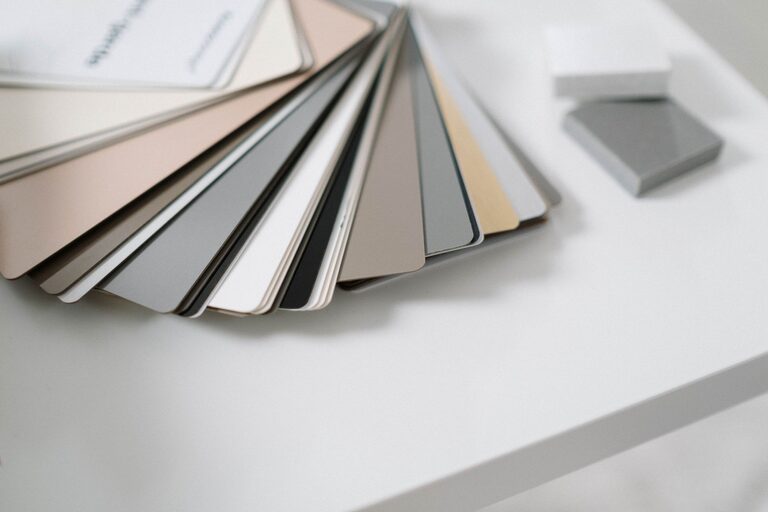
- Place sample cards or painted boards on different walls.
- Observe them in the morning, afternoon, and evening.
- Check the colors on cloudy and sunny days.
- Look at them next to flooring, furniture, and curtains.
Testing several areas will give you a more accurate idea than looking at a small color chip in a store.
Consider the Room’s Size
Color can influence how spacious or intimate a room feels. Light, soft colors tend to reflect more light and can help a small room feel open. This does not mean that dark colors cannot be calming. A deep muted green or blue can make a larger room feel cozy and restful.
For a small space, try:
– Soft white with warm undertones
– Pale beige
– Light gray
– Dusty blue
– Soft sage
For a large room, you may be able to use slightly deeper shades without making the space feel closed in. You can also use one darker wall as an accent while keeping the other walls light.
The ceiling is another part of the room to consider. A soft white or very pale version of the wall color can create a gentle, connected look.
Build a Simple Color Palette
A calm home usually benefits from a limited color palette. Instead of choosing a different strong color for every room, select a few related shades that flow naturally from one space to another.
A simple palette can include:
– One main wall color
– One supporting color
– One or two accent shades
– A neutral for trim and larger furniture
For example, you might combine warm white, light taupe, muted sage, and natural wood. Another option could be soft gray, dusty blue, cream, and charcoal accents.
Using related colors creates a sense of connection throughout the home. You can change the mood from room to room by using lighter or darker versions of the same color family.
Balance Cool and Warm Tones
A room can feel uncomfortable if every color is strongly cool or strongly warm. Balance is often the key to creating a calm space.
Cool colors such as blue and green can feel fresh and quiet. Warm colors such as beige, cream, and terracotta can feel welcoming. Combining them carefully can make the room feel both peaceful and lived in.
For example, pair a cool blue wall with:
– A warm wood floor
– Cream curtains
– Beige upholstery
– Woven baskets
– Soft brass or natural metal details
If you choose a warm beige wall, add cool gray or blue accessories to keep the room from feeling too heavy.
Use Texture to Add Interest
Calm colors do not have to create a plain or lifeless room. Texture adds visual interest without introducing many competing colors.
Try adding:
– Linen curtains
– Wool or cotton throws
– Woven rugs
– Ceramic accessories
– Wood furniture
– Rattan baskets
– Matte painted finishes
Different textures can make a neutral palette feel rich and inviting. They also allow you to keep the colors simple while giving the room more depth.
Add Color Through Small Details
If you are unsure about painting an entire room, begin with smaller items. This lets you test a color before making a larger commitment.
Consider starting with:
– Pillows
– Throws
– Artwork
– Lampshades
– Area rugs
– Curtains
– Decorative bowls
– Small pieces of furniture
Once you see how the color works with your lighting and existing belongings, you can decide whether to use it on the walls.
Avoid Choosing Color in Isolation
A color may look appealing on a sample but different when surrounded by your flooring, furniture, and decorations. Existing elements can affect how a shade appears.
Look for undertones in your room. A floor with red or orange tones may make a beige wall look warmer. Gray furniture may make the same wall appear cooler. White trim can also change the way nearby colors are perceived.
Take photos of your room and compare color samples against them. You may notice details that are easy to miss when standing in the space.
Choose Colors You Enjoy Living With
Trends can offer inspiration, but your home should reflect your comfort and preferences. A calm color is not defined by a particular design style. The right shade is one that makes you feel at ease and works well with the way you use the room.
Start with colors you naturally enjoy, test them in your space, and build a palette that feels connected. With thoughtful choices, calm colors can make your home feel more comfortable, welcoming, and easy to enjoy every day.