










Working from home offers flexibility, but it can also make concentration more difficult. Household tasks, notifications, family members, and an always-available internet connection can quickly interrupt your attention.
The good news is that better focus usually does not require a major lifestyle change. A few simple adjustments to your workspace, schedule, and daily habits can make it easier to stay on task and finish your work with less stress.
Create a Dedicated Work Area
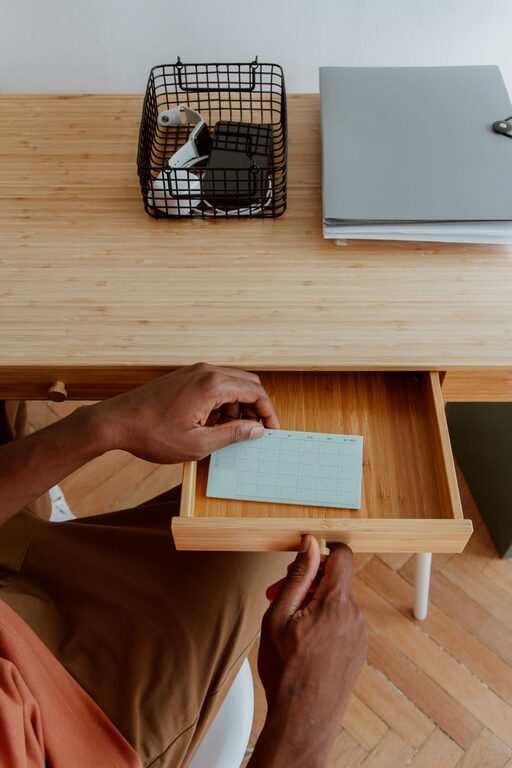
A dedicated work area helps separate your professional responsibilities from your personal life. It does not need to be a full home office. A small desk, a quiet corner, or a section of a dining table can work well if you use it consistently.
Try to keep your work area:
– Clean and free from unnecessary items
– Comfortable and well lit
– Equipped with the tools you use most often
– Separate from places where you relax, when possible
If you work in a shared space, use a simple signal to show when you need fewer interruptions. This could be headphones, a closed door, or a note on your desk.
At the end of the workday, put away papers and close your computer if possible. This creates a clearer boundary between work time and personal time.
Start With a Simple Daily Plan
A clear plan can reduce the time you spend deciding what to do next. Before beginning work, write down the tasks you want to complete. Keep the list realistic rather than filling it with every possible task.
Start by identifying:
- The most important task of the day
- Two or three smaller tasks
- Any meetings or deadlines
- Tasks that can wait until later
Choose one priority to begin with instead of trying to handle everything at once. Completing an important task early can create momentum for the rest of the day.
You can also review your plan at the end of the previous workday. This makes it easier to start promptly in the morning.
Use Time Blocks
Time blocking means setting aside a specific period for one type of work. For example, you might reserve the first hour for writing, the next hour for meetings, and the afternoon for administrative tasks.
A basic schedule could include:
– A focused work block
– A short break
– Another work block
– Time for messages and email
– A longer break
– A final block for follow-up tasks
The exact length of each block can vary. Some people prefer 25-minute periods, while others work better for 45 or 60 minutes. Test different options and notice which one helps you maintain attention without feeling rushed.
During each block, focus on one clear activity. Avoid switching between writing, email, research, and messaging unless the task truly requires it.
Reduce Digital Distractions
Digital interruptions can break your concentration even when they take only a few seconds. A quick message check can turn into several minutes of browsing or switching between apps.
To reduce distractions:
– Turn off nonessential notifications
– Close tabs that are unrelated to your current task
– Keep your phone out of reach during focused work
– Check email at planned times
– Use website or app limits if you need extra support
You do not have to respond immediately to every message. Let coworkers or clients know when you are generally available, and use your calendar or messaging status to show when you are focused on a task.
Group Similar Tasks Together
Switching between unrelated tasks requires extra mental effort. Grouping similar activities can help you work more efficiently.
For example, you might:
– Answer messages in one or two batches
– Make phone calls during the same part of the day
– Complete paperwork in one session
– Schedule meetings close together
– Handle creative work during your most productive hours
This approach keeps your attention from moving constantly between different tools and types of thinking. It also makes smaller tasks feel more manageable.
Take Purposeful Breaks
Breaks are an important part of a focused workday. Without breaks, it is easy to become tired, distracted, or less careful with your work.
A useful break does not have to be long. You could:
– Stand up and stretch
– Refill your water
– Look outside
– Walk around your home
– Prepare a snack
– Step away from your screen
Try to leave your workspace during longer breaks. This gives your mind a clearer change of activity and helps prevent your break from becoming another period of screen time.
Keep breaks purposeful by deciding how long they will last. A timer can help you return to work without constantly checking the clock.
Set Clear Boundaries at Home
When you work from home, other people may not realize when you are in the middle of an important task. Clear communication can prevent many interruptions.
Explain your work schedule to the people you live with. Let them know:
– When you are available
– When you need quiet
– Which meetings cannot be interrupted
– When your workday ends
If you care for children or share a space with others, your schedule may need to be flexible. In that case, plan your most demanding tasks for the times when you are least likely to be interrupted. Save simpler tasks for periods when interruptions are more likely.
Make Your Workspace Comfortable
Your environment can affect how easy it is to stay focused. A workspace that is too dark, noisy, cluttered, or uncomfortable can become a steady source of distraction.
Consider making small improvements such as:
– Adjusting your chair and desk height
– Positioning your screen to reduce glare
– Using headphones to reduce background noise
– Keeping water nearby
– Adding a lamp for better lighting
– Removing clutter from your immediate work area
You do not need expensive equipment to create a better workspace. Focus on changes that solve a specific problem in your current setup.
Use a Start and Finish Routine
A consistent start routine can help your brain shift into work mode. This routine might include making a drink, reviewing your daily plan, and opening only the tools needed for your first task.
A finish routine is just as useful. At the end of the day:
– Review what you completed
– Move unfinished tasks to another day
– Check your calendar
– Save and organize important files
– Close work-related apps
This routine helps you finish the day with a clear plan instead of carrying unfinished tasks in your mind.
Review What Works
Better focus is a personal process. A method that works well for one person may not fit another person’s schedule or responsibilities.
At the end of each week, ask yourself:
– Which tasks were easiest to complete?
– When was my attention strongest?
– What caused the most interruptions?
– Which changes helped?
– What should I try next week?
Use your answers to make small adjustments. You might move important work to the morning, shorten meetings, or create a quieter workspace for certain tasks.
Final Thoughts
Better focus while working from home comes from creating conditions that support attention. A dedicated workspace, a practical daily plan, fewer digital interruptions, and regular breaks can make a noticeable difference.
Start with one or two changes rather than trying to redesign your entire routine. Once those habits become comfortable, add another improvement. Over time, these small steps can help you work more calmly, stay organized, and make better use of your time at home.