










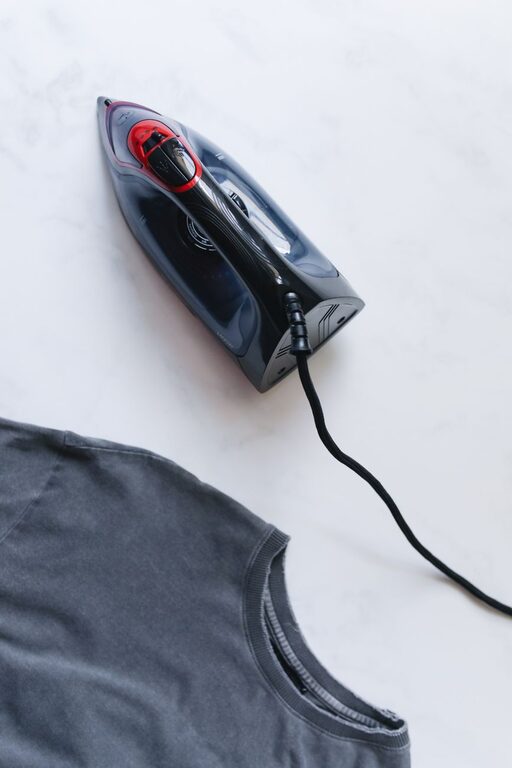
Clothes can last much longer when they receive the right care. Simple habits such as washing less often, using cooler water, and storing garments properly can help prevent fading, shrinking, stretching, and fabric damage.
Caring for clothing also makes it easier to enjoy your favorite pieces for more seasons. Whether you are looking after everyday basics, delicate fabrics, or seasonal items, these practical tips can help you build a better clothing care routine.
Read the Care Label First
Care labels provide useful instructions about washing, drying, ironing, and professional cleaning. Before cleaning a new garment, take a moment to check the label and follow its recommendations.
Pay attention to symbols and written instructions that indicate:
– Water temperature
– Machine washing or hand washing
– Drying methods
– Bleaching restrictions
– Ironing temperature
– Professional cleaning requirements
If a label says to wash in cold water or air-dry the item, those instructions are designed to help protect the fabric. Ignoring them may lead to color loss, shrinking, or damage to the garment’s shape.
Wash Clothes Only When Needed
Washing clothes too often can wear down fibers, fade colors, and reduce the life of elastic materials. Not every item needs to be washed after one use.
Consider airing out garments between wears. Items such as sweaters, jackets, jeans, and some skirts or trousers can often be worn several times if they are not stained or heavily soiled.
You may need to wash clothing sooner when it:
– Has visible stains
– Smells unpleasant
– Feels damp or sweaty
– Has been worn during messy activities
– Is made from a fabric that holds odors
Airing clothes on a hanger can help remove light odors and moisture. Keep them away from direct sunlight if the fabric is likely to fade.
Sort Laundry Carefully
Sorting laundry helps prevent color transfer and protects delicate fabrics. At a minimum, separate light-colored clothing from dark or bright items.
You can also sort by:
– Fabric weight
– Washing temperature
– Level of dirt
– Delicate and sturdy materials
– Items that produce lint and items that attract it
For example, wash towels separately from lightweight shirts when possible. Towels can be rough on delicate fabrics, while dark clothing may leave lint on lighter garments.
Always check pockets before washing. Coins, tissues, pens, and other objects can damage both clothes and the washing machine.
Use Cool or Cold Water
Cool or cold water is suitable for many everyday garments and can help reduce fading and fabric wear. It also uses less energy than hot water.
Hot water may be useful for some heavily soiled items, but it can cause certain fabrics to shrink or lose their shape. When in doubt, choose a cooler setting and follow the care label.
Use the right amount of detergent as well. Too much detergent can leave a residue that makes fabric feel stiff or dull. It may also require extra rinsing, which adds more wear to clothing.
Turn Garments Inside Out
Turning clothes inside out before washing can protect the outer surface from friction. This is especially helpful for dark clothing, printed shirts, embroidered items, and garments with decorative details.
Zippers, buttons, and fasteners can also rub against other items during a wash cycle. Close zippers and fasten buttons or hooks before placing garments in the machine. At the same time, avoid fastening delicate items too tightly if doing so may put pressure on the fabric.
For extra protection, place small or delicate garments in a mesh laundry bag. This can help prevent stretching, tangling, and snagging.
Treat Stains Quickly
Fresh stains are usually easier to remove than stains that have dried. When a spill happens, gently blot the area with a clean cloth instead of rubbing it. Rubbing can push the stain deeper into the fibers or spread it across a larger area.
Before using any stain remover, test it on a hidden part of the garment. This helps you check for color changes or fabric damage.
Helpful stain care habits include:
– Blot liquids as soon as possible
– Avoid scrubbing delicate fabrics
– Use a small amount of suitable cleaner
– Rinse according to the care instructions
– Do not apply heat until the stain is gone
Dryer heat or ironing can set some stains permanently, making them much harder to remove.
Choose the Right Drying Method
Drying can affect clothing just as much as washing. High heat may shrink fabric, weaken elastic, and cause colors to fade. When practical, air-dry clothes instead.
Use these drying tips:
– Shake garments gently after washing to reduce wrinkles
– Reshape knitwear while it is damp
– Hang shirts on sturdy hangers
– Lay delicate sweaters flat
– Avoid hanging heavy, wet items, which may stretch
– Keep clothing away from strong, direct sunlight
Not every item should be hung. Knitwear and other stretchy garments can lose their shape on a hanger. Laying them flat on a clean, dry towel is often a better choice.
If you use a dryer, select a lower heat setting when the care label allows it. Remove clothes promptly when the cycle ends to reduce wrinkles and prevent unnecessary heat exposure.
Store Clothing Properly
Good storage helps protect clothing from dust, moisture, pests, and unnecessary stretching. Make sure garments are clean and completely dry before putting them away. Storing damp clothes can lead to unpleasant odors and mildew.
Use suitable storage methods for different items:
– Hang structured jackets, coats, and button-down shirts
– Fold T-shirts, jeans, and casual clothing
– Store knitwear folded rather than hanging
– Keep delicate items in breathable fabric bags
– Use padded hangers for garments that need extra support
Avoid overcrowding your closet. Clothes need enough space to keep their shape and allow air to circulate. Overfilled closets can cause wrinkles, crushed shoulders, and difficult-to-find garments.
For seasonal clothing, use clean storage containers in a cool, dry place. Avoid sealing natural fabrics in plastic for long periods unless the packaging is designed for clothing storage and allows suitable airflow.
Handle Clothes Gently
Small changes in how you handle clothing can prevent damage. Avoid pulling sharply on sleeves, pockets, and waistbands. When removing a shirt or sweater, use the seams rather than stretching the fabric.
Be careful with bags, jewelry, and rough surfaces. Shoulder straps and sharp accessories can cause pilling, snags, or worn areas. If a garment begins to pill, use a fabric shaver or comb designed for that purpose. Work gently to avoid cutting the fabric.
Repair Small Problems Early
Minor repairs are easier when handled quickly. A loose button, tiny hole, or open seam can become a larger problem if ignored.
Keep a small repair kit with:
– Matching thread
– Needles
– Small scissors
– Spare buttons
– Safety pins
– Fabric patches for suitable items
Repairing clothing does not always require advanced sewing skills. Replacing a button or securing a loose thread may take only a few minutes. For complicated repairs, consider using a professional tailor or alterations service.
Refresh Your Clothing Routine
Caring for clothes longer is mostly about consistency. Wash items only when needed, use gentle settings, dry them thoughtfully, and store them in a way that protects their shape.
A little extra attention can keep fabrics looking better and feeling comfortable for much longer. By making these habits part of your regular routine, you can get more use from the clothes you already own and keep your wardrobe in better condition.