










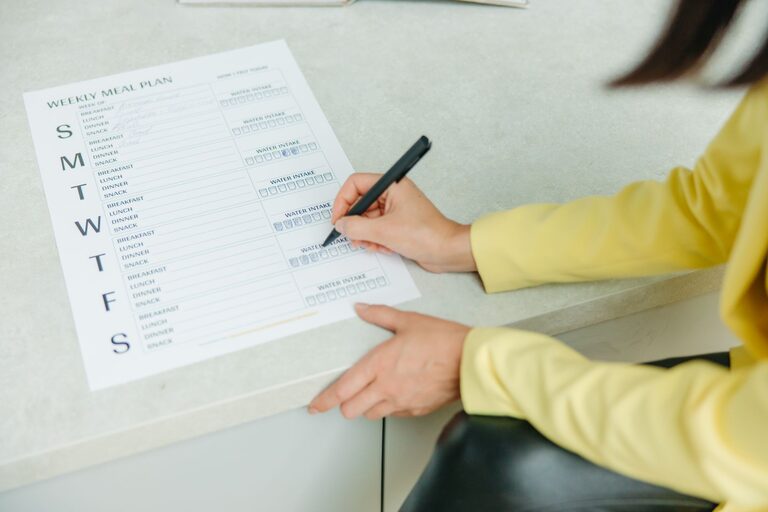
Planning meals for the week can make cooking easier, reduce last-minute decisions, and help you use the groceries you buy. A meal plan does not need to be complicated or perfectly organized. The goal is to create a simple guide that fits your schedule, budget, and cooking habits.
With a few basic steps, you can plan enjoyable meals, reuse ingredients, and make busy evenings more manageable.
Start With Your Weekly Schedule
Before choosing recipes, look at the week ahead. Your schedule is one of the most useful tools for creating a realistic meal plan.
Note any days when you will:
– Work late
– Eat away from home
– Have guests
– Attend activities or events
– Have more time to cook
– Need leftovers for lunch
– Want a quick meal
Match your meals to the amount of time available. For example, a slow-cooked dish may work well on a relaxed weekend, while a simple sandwich, salad, or pasta dish may be better for a busy evening.
You do not need to plan every meal in detail. Many people find it helpful to plan dinners first, then add ideas for breakfasts, lunches, and snacks as needed.
Choose a Simple Planning Method
There are several ways to organize a weekly meal plan. Choose the method that feels easiest to maintain.
Plan by Day
Assign a specific meal to each day of the week. This is useful if your schedule is predictable.
Example:
– Monday: Vegetable stir-fry with rice
– Tuesday: Chicken tacos
– Wednesday: Leftover stir-fry
– Thursday: Baked pasta
– Friday: Homemade pizza
– Saturday: Soup and sandwiches
– Sunday: Roasted vegetables with a main dish
Plan by Meal Type
Instead of choosing exact meals, assign a general theme to each day. This gives you flexibility while keeping decisions simple.
Ideas include:
– Meatless Monday
– Taco night
– Pasta night
– Soup night
– Sheet pan dinner
– Leftover night
– Breakfast for dinner
You can change the specific recipe based on what you have at home.
Make a List of Favorite Meals
Create a personal list of meals your household already enjoys. Include quick recipes, family favorites, and meals that freeze well. When you need ideas, choose from this list rather than starting from scratch.
Aim for at least 15 to 20 meal ideas. Over time, you can add new recipes and remove meals that take too much effort.
Build Meals Around Basic Ingredients
A practical meal plan often uses the same ingredients in several ways. This can make shopping easier and help prevent food waste.
For example, a package of cooked chicken might be used for:
– Tacos
– Salads
– Sandwiches
– Rice bowls
– Soup
A large batch of roasted vegetables can be served as a side dish one night and added to pasta, wraps, or grain bowls later in the week.
Try to choose a mix of:
– A main ingredient, such as beans, eggs, chicken, fish, tofu, or meat
– A starch, such as rice, potatoes, pasta, bread, or tortillas
– Vegetables or fruit
– A sauce, dressing, or seasoning blend
This simple formula gives you many combinations without requiring a different set of ingredients for every meal.
Keep Breakfast and Lunch Easy
Breakfast and lunch do not need to be elaborate. Repeating a few reliable options can save time and reduce the number of ingredients you need to buy.
Breakfast ideas include:
– Oatmeal with fruit
– Yogurt with granola
– Eggs and toast
– Smoothies
– Whole grain cereal
– Breakfast sandwiches
Lunch ideas include:
– Leftovers
– Soup
– Salads with a protein
– Sandwiches or wraps
– Grain bowls
– Pasta salad
– Hummus with vegetables and pita
You can prepare some items in advance, such as washed fruit, chopped vegetables, cooked grains, or boiled eggs. Store prepared foods in clearly labeled containers so they are easy to find.
Include One Leftover Night
Leftover night is one of the simplest ways to save time and reduce food waste. Instead of planning a new meal every day, reserve one evening for food already prepared.
You can serve leftovers as they are or turn them into something different. For example:
– Roast vegetables can become a filling for wraps
– Cooked rice can be used in fried rice
– Extra pasta can become a cold pasta salad
– Leftover chicken can be added to soup or tacos
– Beans can be used in quesadillas or grain bowls
If you do not have enough leftovers for a full meal, combine smaller portions into a casual “mix and match” dinner.
Make a Grocery List by Category
Once your meals are chosen, review each recipe and create one grocery list. Organizing the list by store section can make shopping faster.
Useful categories include:
– Produce
– Meat and seafood
– Dairy and eggs
– Grains and bread
– Canned and packaged foods
– Frozen foods
– Pantry items
– Snacks
Check your refrigerator, freezer, and pantry before shopping. You may already have staples such as rice, pasta, flour, spices, cooking oil, or canned tomatoes.
Write down exact amounts when possible. However, leave room for flexibility if products are unavailable or prices change.
Prep a Few Items Ahead
You do not need to spend an entire day cooking to prepare for the week. Focus on small tasks that make future meals easier.
You might:
– Wash and cut vegetables
– Cook rice, pasta, or grains
– Prepare a sauce or dressing
– Marinate a main ingredient
– Portion snacks
– Make a pot of soup
– Assemble ingredients for a quick meal
Choose only the tasks that will genuinely help. Meal preparation should reduce stress, not create another large chore.
Store foods safely in suitable containers and label them with the date. Keep ingredients that spoil quickly toward the front of the refrigerator so they are easy to remember.
Leave Room for Flexibility
A meal plan is a guide, not a strict schedule. Plans may change because of unexpected events, missing ingredients, or changes in appetite.
To make your plan more flexible:
– Include at least one very quick meal
– Keep a few freezer meals available
– Choose recipes with interchangeable ingredients
– Plan meals that can be moved to another day
– Use leftovers before preparing new food
– Avoid buying too many perishable items at once
You can also assign meals to days based on freshness. Use delicate produce earlier in the week and save longer-lasting ingredients for later.
Review and Improve Your Plan
At the end of the week, take a few minutes to review what worked. Ask yourself:
– Which meals were easy to prepare?
– Which recipes did everyone enjoy?
– Did you buy more food than you needed?
– Were any meals too time-consuming?
– Which ingredients were left unused?
– What would make next week easier?
Use your answers to adjust the next plan. You may discover that you prefer cooking larger batches, repeating breakfasts, or planning fewer recipes.
The best weekly meal plan is one you can use consistently. Start with a few dinners, simple breakfasts, and flexible lunches. As the process becomes familiar, you can add more variety without making the plan complicated.